Alien Glasses: A Designer’s Embroidery Review
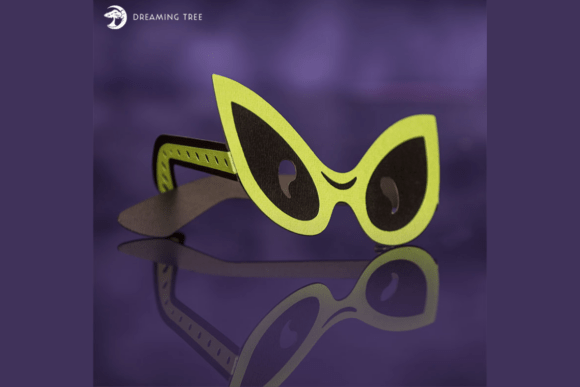
When I first opened the file for Alien Glasses, I wasn't just looking at a novelty graphic; I was evaluating a potential bestseller for my upcoming sci-fi themed capsule collection. As an experienced embroidery digitizer and product reviewer, I approach every machine embroidery design with a critical eye toward stitchability, marketability, and structural integrity. This particular 3D SVG caught my attention because of its bold extraterrestrial eye shape and promised layered construction. While it is categorized under Freebies, treating it with professional scrutiny is essential before committing it to fabric or offering it as part of a commercial lineup.
First Impressions and Visual Personality
The immediate mood of Alien Glasses is playful yet distinctly retro-futuristic. It avoids the cutesy aesthetic often found in space-themed nursery designs, leaning instead into a quirky, oversized silhouette that reads well from a distance. For an Etsy seller or boutique owner, this visual personality is crucial. The design possesses enough character to stand alone on a plain garment but remains simple enough to pair with typography without competing for attention.
From a technical design perspective, the "layered construction" mentioned in the description suggests depth. In embroidery terms, this usually translates to opportunities for mixed media or dimensional stitching. However, because this is originally a 3D SVG, the transition to thread requires careful interpretation. The bold lines are excellent for visibility, but I immediately began assessing how those vector layers would translate into satin stitch borders and fill stitch areas. The shape feels substantial, which is a positive indicator for hooping stability, but it also demands respect regarding stitch density to prevent puckering on lighter fabrics.
Real-World Application: The Custom Tote Bag Test
To truly evaluate Alien Glasses, I mentally placed it in a real-life production scenario: a custom canvas tote bag intended for a local comic convention vendor booth. Tote bags are high-traffic items that require durable stitching and instant visual recognition. This is where the design’s oversized nature becomes its greatest asset.
For this tote bag design application, the bold extraterrestrial eye serves as a focal point that attracts buyers walking past a booth. I envisioned using a heavy-weight tear-away stabilizer to support the canvas, allowing the design to sit flat without distortion. The layered aspect of the original file suggests that an applique design approach could work beautifully here. Instead of stitching out thousands of fill stitches for the glasses' frame, one could use a contrasting fabric piece secured with a running stitch placement line, followed by a satin border. This not only reduces stitch time—a critical factor for craft business profitability—but also adds a tactile texture that elevates the perceived value of the handmade product.
In this scenario, customer reaction is predicted to be positive due to the design's readability. At three feet away, the alien eye shape is unmistakable. Up close, the layering provides the detail necessary to justify a premium price point. For commercial embroidery projects like merchandise, this balance of impact and efficiency is exactly what makes a design viable.
Navigating Fabric Limitations and Hoop Constraints
Despite its strengths, Alien Glasses requires strategic placement. Not every substrate is a suitable home for this specific aesthetic. When considering baby embroidery or lightweight apparel, caution is paramount. The "oversized" descriptor implies significant coverage. If you attempt to shrink this design down to fit a 4x4 hoop for a onesie, the internal details may become muddy, and the stitch density could create a bulletproof patch that is uncomfortable against delicate skin.
I would advise against using this design on highly textured fabrics like terry cloth or thick fleece unless you employ a water-soluble topping. The bold lines need a smooth surface to maintain their crisp geometry. Similarly, stretchy performance fabrics pose a risk; the weight of the layered construction could cause sagging over time if the stabilizer choice isn't adequate. For sweatshirt embroidery, specifically on heavyweight cotton blends, the design will perform exceptionally well. The fabric has enough body to support the stitch count without warping.
Dark fabrics present another consideration. While the alien theme naturally suits black or navy backgrounds, ensure your digitizing includes proper underlay. Without it, the background fabric might grin through the stitches, diminishing the vibrancy of your thread colors. Always test on a scrap of the actual dark fabric before running a full production batch.
Enhancing Product Value and Brand Consistency
Using Alien Glasses effectively can significantly boost buyer engagement and brand trust. For small shop products, consistency is key. If your shop specializes in quirky, alternative aesthetics, this design reinforces that niche. However, presentation matters as much as the stitching itself. Before listing any finished product, create high-quality mockups. Since the source is a 3D SVG, you have the advantage of creating dynamic printable mockup previews that show the design from different angles, helping customers visualize the final item.
Professionalism also extends to licensing and usage rights. Even though this falls under Freebies, always verify the specific license terms included with the digital embroidery file. Confirm whether you are permitted to sell physical embroidered items, digital files, or both. Nothing erodes customer trust faster than copyright disputes. For Etsy sellers, clearly stating in your listing that the design is used in accordance with licensing terms demonstrates integrity and protects your shop from takedowns.
Essential Technical Notes for Makers
Before you thread your needle or finalize your embroidery project, run through this practical checklist derived from professional testing standards:
- Test Stitch-Out: Never skip this step. Verify that the layered sections align perfectly and that registration marks hold true on your chosen fabric.
- Density Check: Inspect the file in your embroidery software. If the fill areas exceed 0.8mm spacing on standard cotton, consider reducing density to prevent stiffness.
- Hoop Size Verification: Ensure your hoop accommodates the design with at least a half-inch margin. Crowding the hoop edges leads to tension issues and distorted shapes.
- Contrast Testing: View the design in grayscale. If the alien eye loses definition without color, adjust the tonal values in your thread selection to ensure clarity in black-and-white photos.
- Stabilizer Matching: Pair cut-away stabilizers for knits and tear-away for wovens. For the layered elements, consider a fusible web to secure applique pieces before stitching.
- Detail Inspection: Zoom in to check for tiny jumps or trims. Clean up unnecessary stops to improve production speed and finish quality.
- Wash Test: If selling custom apparel or tea towels, wash and dry the sample twice. This reveals whether the dense areas pucker or if the applique frays after laundering.
Alien Glasses offers a fantastic foundation for creative entrepreneurs looking to add a touch of intergalactic whimsy to their catalog. By respecting the technical requirements of the design and understanding its ideal applications, you can transform a free digital asset into a profitable, professional-grade product. Whether you are crafting a personalized gift for a space enthusiast or building a cohesive collection for your online store, this design delivers when approached with intention and skill. Remember, the difference between a hobbyist result and a professional embroidered patch or garment lies entirely in the preparation and execution. Happy stitching!