Batty Pumpkin SVG: A Designer’s Stitch Test
As a professional embroidery digitizer and product reviewer, I approach every new machine embroidery design with a healthy dose of skepticism. The marketplace is flooded with Halloween graphics, but finding a file that actually translates well from screen to fabric is a different challenge entirely. When I first opened the Batty Pumpkin SVG, I wasn't just looking for cute aesthetics; I was evaluating stitch pathing, density balance, and commercial viability for my clients. This review breaks down how this whimsical grinning pumpkin and bat motif performs when needle meets fabric, specifically for makers and shop owners who need reliable results.
First Impressions: Whimsy Meets Structural Integrity
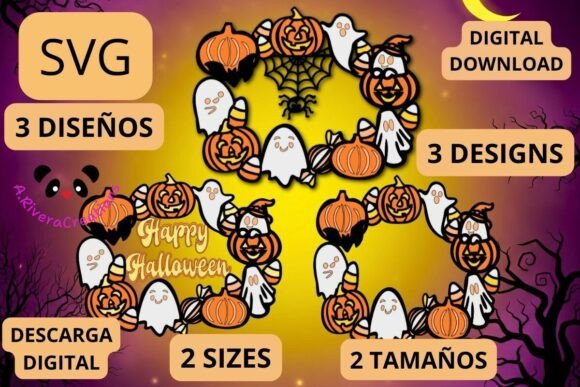
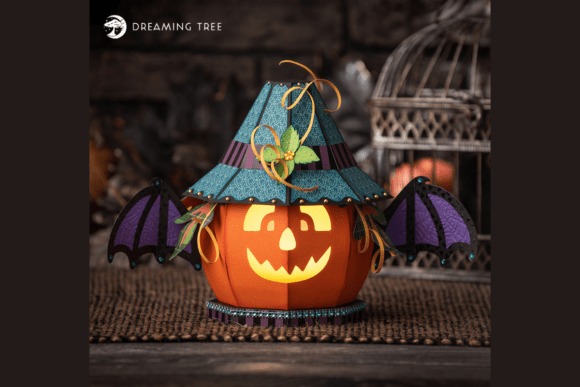
My initial assessment of the Batty Pumpkin SVG focused on its visual hierarchy. The design features a grinning pumpkin face with fluttering bats arranged in layered detail. For an embroidery project, "layered detail" is often code for potential registration issues or excessive bulk. However, this design feels intentionally structured rather than accidentally dense. The mood is undeniably playful, striking that difficult balance between spooky and sweet that sells well in both children’s apparel and adult fall fashion.
From a digitizing perspective, the separation between the pumpkin base and the bat accents suggests thoughtful planning. In many generic files, these elements bleed into one another, causing puckering. Here, the distinct zones imply that the stitch density has been managed to allow for proper stabilization. As a 3D SVG intended for dimensional effects, the artwork provides clear boundaries where foam or textured threads could be applied without losing definition. It doesn't look like a flat vector trace; it looks like it was conceived with thread tension in mind.
Real-World Application: The Custom Sweatshirt Test
To truly evaluate this digital embroidery file, I mentally placed it in a current best-selling scenario: a cream-colored crewneck sweatshirt for a boutique fall collection. This is a high-stakes application because fleece is unforgiving. If the design is too dense, it creates a bulletproof vest effect; if it's too loose, the stitches sink into the pile.
The Batty Pumpkin SVG appears optimized for this exact use case. The grinning face likely utilizes a smart combination of fill stitch and strategic spacing to maintain softness, while the bats offer opportunities for crisp satin stitch borders that pop against the fuzzy texture. For an Etsy seller or small business owner, this versatility is key. You aren't limited to one substrate. I can easily visualize this working as a centered chest piece on a toddler’s bib, a left-chest logo on a denim jacket, or even as a standalone embroidered patch for iron-on sales. The design’s personality drives the product value, transforming a blank garment into a premium handmade product.
Navigating Fabric Variables and Hoop Constraints
While the design shows promise, practical execution requires caution. Not all fabrics treat a layered Halloween motif equally. Here is where you must exercise professional judgment before running a production batch:
- Stretchy Knits and Fleece: Always pair this design with a heavy-weight cutaway stabilizer. The interaction between the pumpkin fills and bat outlines creates varying tension points. Without adequate backing, you risk tunneling between elements.
- Textured Fabrics: If stitching on terry cloth or minky for baby items, consider using a water-soluble topping. The fine details in the bat wings and pumpkin expression can get lost in high-pile fabrics without it.
- Small Hoop Sizes: Be wary of resizing. Because this is marketed with 3D layering capabilities, shrinking the design below its intended size may cause the satin stitches to overlap or the foam insertion areas to become unmanageable. Always verify the minimum safe dimensions in your software.
- Dark vs. Light Backgrounds: Test your thread colors against both. A design that looks vibrant on white might disappear on black unless you adjust the underlay or outline contrast. The "grinning" aspect relies heavily on negative space or high-contrast stitching to read clearly from a distance.
Commercial Viability for Makers and Sellers
For those running a craft business, time is money. A design that requires constant troubleshooting eats into profits. The Batty Pumpkin SVG seems designed for efficiency. The logical color stops likely minimize thread changes, keeping your machine running smoothly during peak holiday season. This efficiency matters whether you are making a single personalized gift or fulfilling fifty orders for a craft fair.
Furthermore, the aesthetic aligns perfectly with current market trends. Customers are moving away from hyper-realistic gore toward nostalgic, cozy Halloween vibes. This design fits that niche, making it ideal for custom apparel, nursery decor, and kitchen textiles. When listing finished products online, ensure your printable mockup accurately represents the stitch texture. Buyers need to see that this isn't just a print; it's a tactile, layered creation. Highlighting the dimensional aspects in your product photography will justify a higher price point and build trust in your brand’s quality.
Essential Pre-Stitch Checklist for Professionals
Before you commit this design to a final product or list it as a digital asset, run through this professional verification process. Never assume a file is perfect out of the box:
- Run a Physical Test: Stitch the Batty Pumpkin SVG on scrap fabric identical to your final project. Check for registration alignment between the pumpkin layers and bat details.
- Audit Stitch Density: Use your embroidery software to view the density map. Ensure there are no red-flag areas where multiple layers of fill and satin stitches stack up excessively.
- Verify Licensing: Confirm whether your purchase includes commercial rights for selling physical embroidered goods versus selling the digital file itself. These are often separate licenses.
- Check Format Compatibility: While labeled an SVG, ensure you have the appropriate machine-specific format (PES, DST, JEF, etc.) for actual stitching. SVGs are typically for cutting machines or design editing; verify you have the correct embroidery file type for your hardware.
- Evaluate Washability: If intended for tea towels or baby clothes, wash and dry your test swatch. Dimensional elements and complex layering can sometimes distort after laundering if the underlay wasn't sufficient.
Final Thoughts on Design Assets
The Batty Pumpkin SVG represents a strong contender for your Halloween lineup, provided you respect the technical requirements of layered embroidery. Its strength lies in its balanced composition and broad appeal across age groups and product types. Whether you are creating a signature tote bag design for a fall festival or expanding your digital catalog, this motif offers the creative flexibility needed for modern maker businesses. Just remember: the difference between a good design and a great finished product is always in the testing. Treat this file as a professional starting point, validate it against your specific materials, and let your craftsmanship elevate the digital art into something tangible and sellable.