Book Advent Calendar 3D SVG for Christmas Branding
As a brand designer working primarily with local artisans and boutique retailers, I am constantly evaluating how digital assets translate into physical customer experiences. When I first opened the file for this Book Advent Calendar 3D SVG, I wasn't just looking at a festive graphic; I was assessing its structural integrity for commercial packaging design and its emotional resonance for small business branding. The immediate impression is one of nostalgic warmth and tactile storytelling. Unlike flat, generic holiday clipart, this asset possesses a dimensional quality that suggests depth and craftsmanship. It evokes a mood that is simultaneously playful and refined, making it an exceptional candidate for businesses that rely on narrative-driven marketing, such as independent bookstores, handmade soap makers, artisanal bakeries, or children’s clothing boutiques.
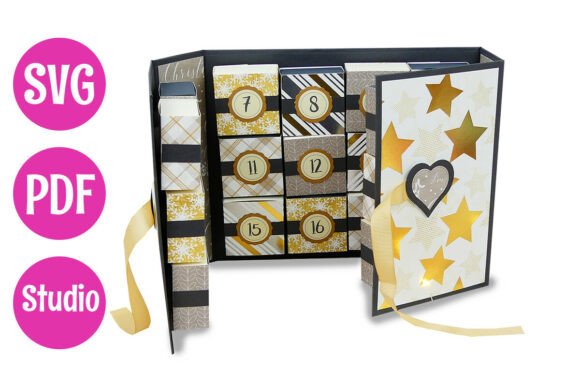
The design mimics the architecture of an open storybook, creating natural negative space and framing opportunities that are rare in standard seasonal illustrations. For a local business owner, this specific visual cue signals "tradition" and "care" rather than mass production. It feels inherently premium without being stuffy, striking a difficult balance that many handmade businesses struggle to achieve during the chaotic holiday season. If your brand identity leans towards organic, cottagecore, vintage revival, or family-centric values, this asset aligns seamlessly. However, if you are running a high-tech startup or a stark minimalist luxury brand, the whimsical nature of this illustration might create cognitive dissonance with your established visual hierarchy.
Translating Digital Charm into Physical Packaging Design
In my recent consultation with a local candle company, we needed a way to elevate their unboxing experience without increasing manufacturing costs. This is where a versatile graphic design asset like this proves invaluable. Because this is a 3D SVG, it offers scalability that raster images simply cannot match. We utilized the Book Advent Calendar as a central hero element on a limited-edition gift set sleeve. The open-book motif served as a window die-cut concept, allowing the actual product to peek through the "pages," effectively merging the digital illustration with physical product presentation.
Beyond primary packaging, this asset excels in supporting collateral that drives customer retention. For a bakery client, we adapted the calendar structure into a printable loyalty card, where each "box" represented a stamp spot leading to a free holiday treat. The familiarity of the advent calendar format gamified the purchasing process while reinforcing the brand's festive personality. Similarly, for social media graphics, the layered nature of the SVG allows designers to animate individual elements or swap out colors to match specific campaign days. This flexibility transforms a static image into a dynamic content engine for Instagram stories and Facebook ads, ensuring your marketing visuals remain consistent yet fresh throughout December.
Strategic Placement for Maximum Shelf Appeal
Knowing where to place this asset is just as critical as the asset itself. In professional branding, visual hierarchy dictates that decoration must never obscure function. This Book Advent Calendar works best as a framing device or a background texture rather than a focal point for dense information. I have found it most effective on:
- Product Labels: Used as a subtle watermark behind serif typography on glass jars or kraft paper bags.
- Thank-You Cards: Serving as the primary visual anchor on postcards included in e-commerce shipments.
- Website Banners: Creating a festive header that leaves ample copy space for promotional codes.
- Hang Tags: Die-cut to the shape of the book for a tactile retail display accent.
- Editorial Design: Enhancing blog posts or email newsletters about holiday gift guides.
Conversely, exercise extreme caution when applying this asset to areas requiring high legibility or regulatory compliance. Do not use it behind ingredient lists, legal disclaimers, or pricing tables. The intricate details of the 3D effect can reduce contrast ratios, making text difficult to read and potentially violating accessibility standards. Furthermore, avoid placing it on crowded product packaging where multiple badges, certifications, and logos already compete for attention. In those instances, the asset becomes visual noise rather than a value-add. For luxury minimalist brands, consider stripping back the color palette to a single metallic tone to maintain sophistication while acknowledging the season.
Technical Evaluation for Commercial Production
Before integrating any design asset into a client project, I run a rigorous technical audit. For small business owners managing their own creative output, these checks prevent costly printing errors and brand inconsistencies. First, verify the vector editability. A true 3D SVG should allow you to separate layers, adjust stroke widths, and modify fill colors without pixelation. Test the asset in both full color and monochrome; if the 3D effect relies solely on color gradients rather than line work or shading, it may fail when printed in black and white on shipping labels or receipts.
Next, evaluate font pairing. This illustration carries significant visual weight. During my testing, I found it pairs beautifully with traditional serifs and elegant scripts, which reinforce the storybook aesthetic. However, it clashes with geometric sans-serifs or ultra-modern display fonts, creating a disjointed brand voice. Always preview the combination at actual print size. What looks balanced on a 27-inch monitor may appear overwhelming on a 2x3 inch sticker. Additionally, inspect the transparency and edge quality. If you plan to use this as a PNG overlay on dark backgrounds, ensure there are no white halos or jagged edges that betray its digital origin.
Licensing and Brand Safety Considerations
Perhaps the most overlooked aspect of using marketplace assets is licensing. Before selling any product featuring this Book Advent Calendar, confirm the commercial license terms. Some licenses cover digital products and social media but require an extended fee for physical goods sold over a certain volume. As a brand partner, I always advise clients to document their license purchase and keep it on file. This protects your business from future intellectual property disputes and ensures ethical support for the original creator.
Finally, consider the longevity of the asset within your broader brand identity. Seasonal graphics should complement, not redefine, your core logo design and color palette. Use this calendar as a temporary layer of festive dressing rather than a permanent structural change. By treating it as a modular component of your visual system, you maintain brand recognition while still participating in the cultural moment of Christmas. Whether you are designing a Canva template for quick team updates or commissioning custom packaging, this asset provides a rich foundation for storytelling. Add a touch of storybook magic to your holidays with this Book Advent Calendar, but do so with the strategic precision that distinguishes professional local businesses from amateur hobbyists. Designed like an open book, it hides small boxes inside for each day of the countdown, making it perfect for tiny gifts, yet its true value lies in how it unlocks larger opportunities for connection, trust, and sales during your busiest season.