Congrats Papercut Card SVG: An Embroidery Review
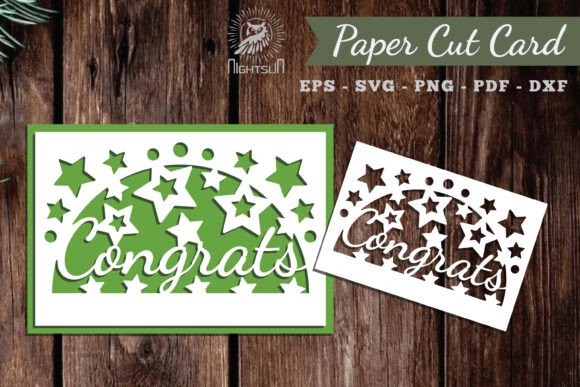
As a designer who bridges the gap between digital assets and tangible textiles, I approach every new file with a specific question: will this actually stitch out beautifully, or is it just a pretty screen image? When evaluating the Congrats Papercut Card SVG, my perspective shifts from pure vector art to practical textile application. While this asset is marketed primarily as a 3D SVG for paper crafting and laser cutting within the Graduation category, its intricate, layered aesthetic offers unique opportunities—and specific challenges—for machine embroidery designers and small business owners looking to expand their product lines.
Translating Papercut Aesthetics to Thread
The first impression of this design is one of delicate precision. Papercut styles rely on negative space and fine connecting bridges, creating a lace-like visual that feels celebratory and high-end. For an embroidery project, this mood translates exceptionally well to heirloom-quality items rather than rugged utility wear. The visual personality here is refined, suggesting a personalized gift or boutique merchandise rather than mass-market apparel.
However, moving from a cutting file to an embroidery file requires a mental translation. In paper, a bridge can be microscopic; in thread, it needs structural integrity. As I reviewed the geometry of this Congrats Papercut Card SVG, I immediately began visualizing how those fine lines would behave under tension. This design naturally belongs on stable, smooth fabrics where the "papercut" illusion can be maintained without the distortion that plagues stretchy knits. It evokes the feeling of a vintage graduation announcement or a formal invitation, making it ideal for commemorative keepsakes.
Real-World Application: The Graduation Memory Pillow
To truly test the viability of this design, I considered a recent client request for a custom graduation memory pillow. The client wanted something that felt more sophisticated than a standard school mascot logo. This is where the Congrats Papercut Card SVG shines as a conceptual foundation for a custom applique design or dense satin stitch motif.
In this scenario, I envisioned adapting the vector lines into a tone-on-tone white-on-white embroidery on a linen pillow cover. The goal was to mimic the shadow and depth of actual paper layers using thread texture. For a handmade product like this, the design serves as a centerpiece that elevates the perceived value of the finished item. Customers shopping for graduation gifts are often looking for that "wow" factor that distinguishes a thoughtful, custom piece from generic store-bought decor. By utilizing the intricate lattice work inherent in this 3D SVG style, the resulting embroidered patch or direct stitch creates a tactile experience that photographs beautifully for Etsy listings and social media previews.
For craft business owners, this versatility is key. While the source files include AI, EPS, PDF, DXF, and PNG formats suitable for digital mockups or vinyl, the line work provides an excellent roadmap for digitizers. You aren't just buying a graphic; you are acquiring a blueprint for a premium commercial embroidery product that targets the higher-end gift market.
Navigating Fabric Limitations and Hoop Constraints
Despite its beauty, this design demands respect regarding placement. Papercut aesthetics are unforgiving on textured surfaces. If you attempt to stitch this detailed layout on a terry cloth towel or a chunky knit sweatshirt, the fine details will likely get lost or cause puckering. The fabric texture competes with the design's intricacy, muddying the visual clarity.
I strongly advise caution when considering this for small hoop sizes. Reducing a complex papercut layout to fit a 4x4 hoop often results in stitch density issues. The connecting points become too narrow for needle penetration, leading to thread breaks or holes in the fabric. Similarly, dark fabrics present a contrast challenge. Papercut designs rely on the interplay of light and shadow; on black navy material, unless you use a high-sheen rayon or metallic thread, the definition may vanish. Always test on scrap fabric first, specifically checking how the design handles corners and tight curves.
Stretchy fabrics like jersey knits require heavy stabilization if you choose to use this design. The rigid nature of a papercut style fights against the elasticity of a t-shirt. Without adequate stabilizer and perhaps a topping, the registration will shift, and that crisp, laser-cut look will turn into a wavy mess. For apparel decorators, this design is safer on collars, cuffs, or structured tote bags where the base material supports the stitch complexity.
Elevating Brand Value Through Technical Precision
Using a design like the Congrats Papercut Card SVG correctly signals professionalism to your buyers. When a customer sees clean, precise stitching that mimics the delicacy of paper, trust is established. Conversely, a poorly executed adaptation looks amateurish and can harm your shop’s reputation. The visual appeal of this design lies in its cleanliness; therefore, your production standards must match.
For digital product sellers and Etsy sellers, the included high-quality PNG and vector files allow for stunning printable mockups before you even thread a needle. This helps in validating market interest for graduation season merchandise without upfront production costs. However, always verify licensing terms before selling finished products or modified digital assets. Ensuring you have the commercial rights protects your business and maintains ethical standards in the maker community.
Essential Designer Notes for Success
Before loading this design into your machine or digitizing software, run through this practical checklist to ensure your embroidery project succeeds:
- Verify File Compatibility: The package includes SVG, AI, EPS, PDF, DXF, and PNG. Confirm which format your specific embroidery software or cutting machine requires before purchasing, as no native embroidery formats (like PES or DST) are listed.
- Assess Stitch Density: If digitizing from these vectors, prioritize open fills and running stitches over heavy satins to maintain the airy papercut feel and prevent fabric distortion.
- Contrast Testing: Create black and white mockups to evaluate value separation. If the design reads poorly in grayscale, it will likely struggle in thread on similar-colored fabrics.
- Stabilizer Selection: Match your stabilizer weight to the design density. Intricate papercut styles often benefit from a tear-away backing combined with a water-soluble topping for crisp edges.
- Scale Appropriately: Do not shrink this design below its intended minimum size. Detailed bridges need physical space to remain intact during the stitching process.
- Mockup Realism: Use the provided assets to create realistic digital previews for your shop, but ensure your final stitched product matches the promise of the digital image to avoid customer disappointment.
Ultimately, the Congrats Papercut Card SVG is a sophisticated asset for the discerning maker. It bridges the digital and physical worlds beautifully, provided you respect the technical requirements of translating paper aesthetics into thread. Whether you are creating a bespoke graduation gift or expanding your boutique’s seasonal offerings, this design offers a pathway to elevated, professional-grade results when approached with care and technical mindfulness.