Folding Greeting Card Holder 3D SVG Review
First Impressions: Assessing the Mood for Artisan Brands
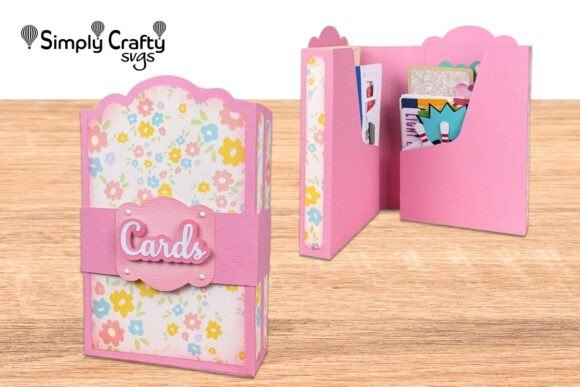
When evaluating a new graphic design asset for a client project, my first step is always to determine the emotional resonance of the piece. Upon reviewing the Folding Greeting Card Holder, the immediate impression is one of organized warmth and tactile functionality. This is not merely a digital file; it suggests a physical interaction that bridges the gap between digital brand identity and tangible customer experience. The aesthetic leans heavily into the handmade, organic, and thoughtful categories, making it an ideal candidate for businesses that rely on personal connection rather than mass production.
For a recent project involving a local botanical skincare line that also sells seasonal wellness cards, this asset felt like a perfect fit. It communicates a sense of care and curation. Unlike sterile, corporate packaging solutions, the Folding Greeting Card Holder implies that the contents within are cherished. For small business owners, boutique store operators, and creative entrepreneurs, this specific mood is invaluable. It signals to the customer that the brand values presentation as much as the product itself. However, if I were designing for a high-tech gadget company or a minimalist luxury watch brand, this asset might feel too rustic or craft-oriented. It thrives in environments where texture, paper quality, and human touch are central to the value proposition.
Elevating Packaging Design and Retail Displays
In the context of packaging design, versatility is key. I tested this 3D SVG specifically for a pop-up market display for a handmade soap and stationery vendor. The primary challenge was creating a cohesive visual hierarchy that guided customers from the main products to add-on items like greeting cards. Using the Folding Greeting Card Holder as a structural element allowed us to create a branded point-of-sale display that matched the product labels perfectly.
This asset shines when used to create physical touchpoints that reinforce small business branding. For a bakery or coffee shop, this holder could be adapted to display menu cards, loyalty program sign-ups, or seasonal promotional flyers right at the counter. Because it is a 3D SVG, the lines are crisp and scalable, meaning you can resize it for a tiny jewelry card insert or a large retail shelf talker without losing quality. In my test case, we used the vector file to laser-cut custom holders from recycled kraft paper, which aligned perfectly with the client’s eco-friendly mission. This level of customization transforms a generic retail fixture into a proprietary brand asset, significantly improving shelf appeal and product recognition.
Strategic Applications Across Marketing Channels
Beyond physical construction, this asset serves as a powerful visual anchor in marketing visuals and social media graphics. When developing content for Instagram or Pinterest, flat photography can sometimes lack depth. By incorporating the Folding Greeting Card Holder into product mockups, we created lifestyle imagery that showed potential customers exactly how to use and display the cards they were purchasing. This reduces friction in the buying process by visualizing the utility of the product.
- Product Mockups: Use the SVG to create realistic digital renders of packaging before committing to expensive print runs.
- Thank-You Inserts: Scale down the design to create miniature versions included in shipping boxes to encourage unboxing videos.
- Website Banners: Utilize the clean vector lines as a decorative border or hero graphic on e-commerce product pages.
- Printable Design: Offer the assembled holder as a free downloadable bonus for customers who purchase digital greeting card bundles.
These applications demonstrate how a single design asset can permeate multiple facets of a business, ensuring consistent professional branding across web design, editorial design, and physical retail environments.
Navigating Visual Hierarchy and Brand Consistency
A critical aspect of commercial design is knowing where an element supports the message versus where it distracts from it. During my evaluation, I found that the Folding Greeting Card Holder works best as a supportive frame rather than a dominant focal point when text-heavy information is involved. It excels at holding space for the product, but it should never compete with essential legal information, ingredient lists, or pricing.
I advise using this asset carefully in formal corporate contexts or on very small labels where intricate fold lines might become visual noise. If your product label is already crowded with compliance text, adding a decorative holder graphic may reduce readability. Similarly, for luxury minimalist brands that rely on negative space, the structural complexity of this folder might feel too busy. It is most effective when paired with ample whitespace and clear typography. In our skincare branding project, we ensured the holder was used only for secondary packaging and display units, keeping the primary bottle labels clean and legible. This strategic restraint maintained a strong visual hierarchy and prevented brand dilution.
Technical Due Diligence for Commercial Use
Before integrating any digital product into a client’s brand identity, rigorous technical testing is non-negotiable. As a designer, I ran through a comprehensive checklist to ensure the Folding Greeting Card Holder was production-ready. First, I verified the commercial license. Many assets found on a creative marketplace are restricted to personal use; confirming commercial rights is essential for avoiding legal issues when selling physical products or branding a business.
I also tested the file’s compatibility with various fonts. Pairing the holder with a delicate serif font enhanced its elegant, traditional feel, while a bold sans-serif gave it a modern, retail-ready look. Conversely, overly ornate script fonts clashed with the fold lines, reducing overall clarity. I strongly recommend testing the asset in black and white before applying color. If the design relies entirely on color to define its structure, it will fail in single-color printing scenarios like embossing or vinyl cutting. Additionally, check the node count in the SVG design. A file with too many anchor points can cause lag in cutting machines or result in jagged edges on printed materials. Finally, always preview the design at actual size. What looks balanced on a 27-inch monitor may appear overwhelming on a 4x6 inch card. These practical steps ensure that the transition from screen to shelf is seamless and professional.
Final Verdict for Local Business Implementation
The Folding Greeting Card Holder is more than just a storage solution; it is a multifaceted tool for local business owners seeking to elevate their customer experience. Its strength lies in its ability to bridge the digital and physical realms of handmade business branding. Whether used as a functional retail display, a component in Canva template social posts, or a value-add for digital shoppers, it offers significant ROI for creative entrepreneurs.
However, success depends on intentional application. It requires a brand personality that values craftsmanship and organization. It demands technical verification to ensure print quality and licensing compliance. When these conditions are met, this asset transforms from a simple vector file into a cornerstone of a cohesive, trustworthy, and visually appealing brand strategy. For florists, stationers, bakers, and boutique owners, it represents an accessible entry point into high-end packaging design and polished promotional visuals that resonate deeply with target audiences.