Mini Scrapbook Album Card 3D SVG for Pop-Up Cards
As a digital product creator constantly scouting for high-converting assets, my first impression of the Mini Scrapbook Album Card was that it bridges the gap between traditional papercraft and modern digital interactivity. The aesthetic strikes a delicate balance; it feels inherently sentimental and handmade, yet the structural precision suggests a premium commercial design suitable for serious crafters. This is not merely a flat graphic design asset; it is an engineered experience. For sellers targeting the Etsy or Creative Fabrica demographic, this specific niche appeals to buyers who value tactile engagement over simple visual decoration. The mood is nostalgic but clean, avoiding the cluttered look that often plagues scrapbooking niches. It attracts an audience looking for meaningful gifts, memory keeping solutions, and interactive keepsakes rather than generic greeting cards.
Evaluating Structural Complexity for Cricut Projects
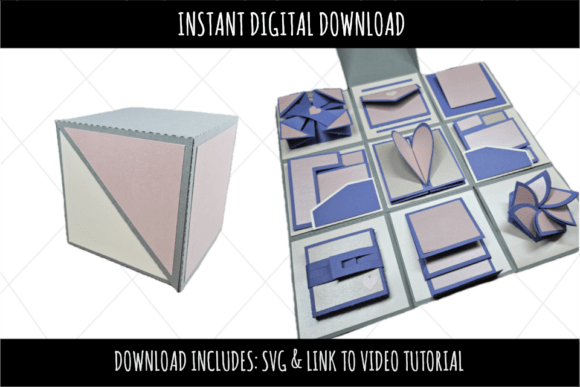
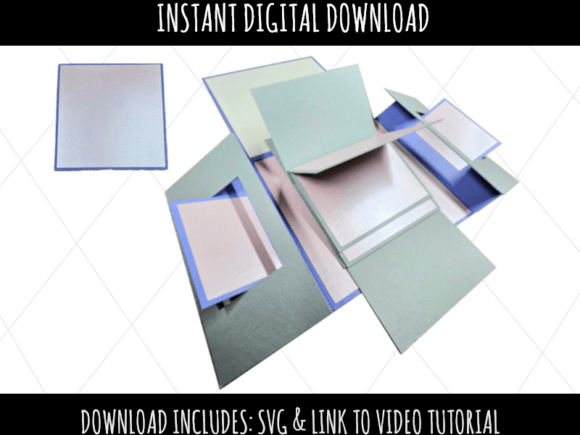
When assessing this 3D SVG for sellable products, the primary concern is always cut quality and assembly logic. This Mini Scrapbook Album Card features a sophisticated mechanism: a cover, double doors with a flipping center panel, and an integrated waterfall element. Effectively, it functions as three distinct cards in one unit, offering ample space for photographs and personalized messages. From a production standpoint, this complexity is a double-edged sword. On one hand, it justifies a higher price point for your digital download listing because of the perceived engineering value. On the other hand, it demands rigorous testing before you list it as a finished Cricut project or Silhouette template.
I recommend importing the SVG design into your cutting software immediately to inspect node placement and layer organization. A common failure point in complex pop-up cards is misaligned score lines or overlapping cut paths that confuse the machine. Ensure the flipping center mechanism has adequate clearance so the card does not jam when opened. If you plan to sell this as a standalone printable design, verify that the PDF export includes clear, numbered assembly instructions. Buyers in this category are often intermediate crafters; if the file requires expert-level troubleshooting, your refund rate will increase. The structural integrity must be flawless for this to succeed as a reliable commercial design asset.
Commercial Applications Beyond Physical Papercraft
While the core function is physical assembly, smart sellers leverage such assets across multiple revenue streams. As a sublimation design, the individual components of the Mini Scrapbook Album Card can be isolated. The decorative elements from the cover or the waterfall frames could be repurposed as standalone clipart bundles or mug designs. However, be mindful of licensing; ensure you have the right to deconstruct the asset if selling separated parts. For print-on-demand sellers, the flattened version of this card serves as excellent content for social media graphics or blog headers about memory keeping.
Canva template sellers can also find utility here. By converting the key visual elements into PNG designs with transparent backgrounds, you can create digital scrapbooking kits or interactive planner stickers. The "three-in-one" concept translates well to digital journaling apps where users want layered storytelling. Additionally, consider creating a video tutorial showing the assembly process. Video content drives significantly higher engagement on creative marketplace listings. Showing the flipping center and waterfall action proves the product works, building immediate customer trust and reducing pre-sale questions about difficulty levels.
Optimizing Listing Visuals and Product Mockups
Presentation dictates conversion rates for interactive items. A static thumbnail cannot convey the magic of pop-up cards. Your primary product mockup must show the Mini Scrapbook Album Card in a semi-open state to reveal depth. Use natural lighting and soft shadows to emphasize the 3D nature of the build. Avoid dark backgrounds for your main listing image; white or light wood textures provide the necessary contrast to showcase intricate cut details. Since this asset includes room for pictures, insert sample photos that match your target niche—whether that is wedding, baby, or travel—to help buyers visualize the end result.
For secondary images, include close-ups of the waterfall mechanism and the double doors. These detail shots validate the quality of the SVG design and reassure buyers that the tabs and slots fit precisely. If you are bundling this with other design assets, create a composite image that displays the album alongside matching envelopes or tags. Visual hierarchy matters; do not crowd the thumbnail with text. Let the mechanical beauty of the card drive the click. Remember, in the digital product space, your mockup is the only way the customer can "touch" the product before buying.
Strategic Placement and Usage Limitations
Understanding where this asset shines is just as important as knowing its limitations. The Mini Scrapbook Album Card excels in themed bundles, seasonal collections, and premium single-listing digital downloads. It is perfect for makers focusing on anniversaries, graduations, or memorial gifts where emotional weight justifies a complex build. It also performs well as a lead magnet or low-ticket entry product to build an email list for a handmade business.
However, exercise caution when adapting this for certain applications. Do not attempt to shrink this design down for tiny sticker designs or planner icons; the intricate cuts will fail, and the visual impact will be lost. Avoid using it in text-heavy templates where the mechanical structure competes with typography. Low-resolution print products are also a risk area; if the original file lacks sufficient DPI, the fold lines may appear pixelated when printed at scale. Furthermore, while the flipping center is a selling point, it requires paper weight consideration. Clearly state recommended paper GSM in your listing description to prevent customers from using cardstock that is too heavy for the waterfall mechanism or too flimsy to support the cover.
Seller Checklist for Professional Delivery
Before publishing, run through this practical evaluation checklist to ensure your Mini Scrapbook Album Card meets professional standards:
- Test Cut Verification: Physically cut and assemble the card at least twice using different paper weights to confirm tolerance levels.
- File Organization: Group layers logically (e.g., "Base," "Waterfall," "Doors," "Decor") and name them clearly within the SVG file.
- Typography Pairing: Test the design with various font styles. Script fonts enhance the sentimental vibe, while sans serif fonts modernize the look. Include a style guide suggestion for buyers.
- Licensing Clarity: Explicitly state whether buyers can sell finished physical cards or if the license is limited to personal use. Commercial license terms must be unambiguous.
- Mockup Diversity: Create previews showing the card both fully closed and fully open to demonstrate the transformation.
- Color Accuracy: Verify that screen colors match print output, especially if providing pre-colored PNG versions alongside the raw SVG design.
By treating the Mini Scrapbook Album Card as a comprehensive product ecosystem rather than just a single file, you position your shop as a professional resource for serious crafters. The combination of mechanical ingenuity and emotional resonance makes this a strong contender for any digital product portfolio focused on interactive paper arts. Success lies in meticulous testing, honest presentation, and helping your customers achieve a flawless final make.