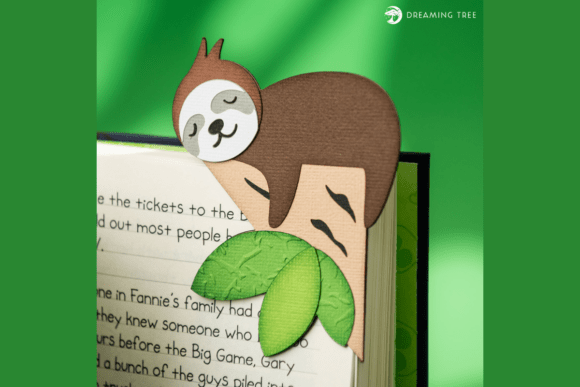
Sloth Corner Bookmark: An Embroidery Designer’s Review
As a professional embroidery designer and product reviewer, I approach every new file with a critical eye. When evaluating the Sloth Corner Bookmark for real-world application, my first thought isn't just about how cute it is on screen; it is about how those layered cardstock details will translate into thread on fabric. While this asset is categorized under Centerpieces and originates as a 3D SVG, its potential in the machine embroidery space is significant for makers who understand how to adapt digital layers into stitch logic. The design immediately evokes a sense of calm and whimsy, making it a strong candidate for personalized gifts and boutique merchandise where emotional connection drives sales.
Translating Digital Layers to Stitch Logic
The defining feature of this Sloth Corner Bookmark is its layered construction. In a paper crafting context, layers create depth through physical stacking. In embroidery, we must replicate this depth through stitch density and texture contrast. When I review this design for an embroidery project, I am looking at how the original vector lines can inform satin stitch borders versus fill stitch interiors. The sloth’s facial features and claws, which are distinct in the SVG, require careful digitizing to ensure they remain legible when stitched out. If you are using this as a base for a custom applique design, the separate layers serve as excellent placement guides. However, if you are purchasing a pre-digitized machine embroidery design based on this artwork, verify that the digitizer has maintained the separation between the body, face, and limbs to preserve that signature 3D aesthetic.
Real-World Application: The Custom Tote Bag Test
To truly evaluate this design, I mentally placed it on a canvas tote bag intended for a library fundraiser or a book lover’s Etsy shop. A tote bag provides a stable, woven foundation that handles moderate stitch density well. For this specific use case, the Sloth Corner Bookmark works best as a pocket accent or a corner motif rather than a massive center chest graphic. The "perching" nature of the sloth suggests it should interact with the physical edges of the item. On a tote, stitching the sloth so it appears to hang from the top hem or cling to a side seam adds a playful, interactive element that flat designs lack.
In this scenario, customer reaction hinges on tactile quality. Book lovers appreciate texture. Using a matte thread for the sloth’s fur against a glossy rayon for the eyes could mimic the mixed-media feel of the original 3D SVG. This attention to detail elevates the finished product from a simple embroidered patch to a premium handmade item. For small business owners, this level of intentionality justifies a higher price point and builds brand consistency across your shop’s literary-themed collection.
Fabric Compatibility and Stabilizer Strategy
Not every fabric is friendly to detailed character designs. Because the Sloth Corner Bookmark relies on recognizable shapes and likely some smaller facial details, fabric texture is a major variable. I would confidently recommend this for cotton quilting fabric, denim, canvas, and linen tea towels. These materials provide a crisp surface that supports running stitches and prevents the distortion of fine details.
Conversely, proceed with caution on high-pile fabrics like terry cloth or fleece unless you use a water-soluble topping. Without a topping, the sloth’s features will sink into the nap, losing the definition that makes the design charming. For stretchy knits used in sweatshirt embroidery or baby clothes, the stabilizer choice is non-negotiable. You must use a cut-away stabilizer to prevent the design from warping after washing. If the design includes dense fill areas to simulate the cardstock layers, test on scrap fabric first to ensure the garment doesn't become too stiff or heavy, especially for baby embroidery projects where comfort is paramount.
Navigating Hoop Sizes and Detail Clarity
One of the most common pitfalls with adapting complex illustrations is underestimating the minimum viable size. Before committing this Sloth Corner Bookmark to a commercial embroidery run, measure the smallest internal details. If the sloth’s eyes or claws are less than 2mm wide in your intended hoop size, they may not stitch out cleanly. Satin stitches have a width limit; if the column is too narrow, it becomes a running stitch; if too wide, it loops.
For small hoop sizes, such as a 4x4 inch field, you may need to simplify the design. Removing background elements or reducing the number of color changes can maintain clarity. Always check the digital embroidery file specifications before purchase or digitization. Confirming the hoop size compatibility saves time and prevents wasted materials. If you plan to sell this as part of a bundle for other Etsy sellers, providing clear guidance on minimum sizes and recommended stabilizers adds immense value to your digital product listing.
Commercial Viability and Brand Presentation
For creative entrepreneurs and apparel decorators, visual appeal directly correlates to buyer engagement. The Sloth Corner Bookmark has inherent giftability because it targets a specific niche: readers and relaxation seekers. When creating printable mockups for your online store, showcase the design in context. Don't just display a flat JPEG of the embroidery file. Mock it up on a textured pillow cover or nestled in the corner of a hardcover book. This helps customers visualize the finished product and reinforces the cozy mood the design promises.
However, professionalism requires due diligence. Before selling any finished product or digital asset derived from this design, confirm the licensing terms. Just because a file is available does not mean it is cleared for commercial embroidery use. Respecting intellectual property protects your craft business and maintains trust within the maker community. Additionally, if you are digitizing this yourself from the SVG, ensure your stitch pathing is optimized for production. Jump stitches should be minimized, and color blocks should be logical to reduce machine stops. Efficient digitizing means faster turnaround times for holiday embroidery rushes and consistent quality across large batches.
Practical Designer Notes for Success
Based on my evaluation, here are actionable steps for integrating this design into your workflow:
- Contrast Check: Test thread colors against both light and dark fabric backgrounds. A brown sloth on dark navy fabric may disappear without an outline or lighter underlay.
- Density Audit: Review stitch density settings. If adapting from SVG, avoid auto-digitizing traps that create bulletproof patches. Manually adjust fill patterns to keep the fabric pliable.
- Wash Testing: If intended for kitchen towels or baby items, wash and dry a test sample three times. Ensure the design holds up to frequent laundering without puckering.
- Mockup Variety: Create black and white versions of your mockups to test value contrast independent of color. This ensures the design reads well even in monochromatic embroidery.
- Licensing Verification: Document your commercial rights. Keep records of where you acquired the Sloth Corner Bookmark assets to protect your shop from future disputes.
Ultimately, the Sloth Corner Bookmark is more than just a cute graphic; it is a versatile asset that bridges the gap between digital art and tangible craft. Whether you are creating custom apparel, stocking your Etsy shop with unique bookmarks, or designing nursery decor, success lies in respecting the technical constraints of embroidery while embracing the whimsical spirit of the original design. By focusing on fabric compatibility, stitch clarity, and professional presentation, you can transform this lovable sloth into a best-selling staple of your embroidery repertoire.