Treasure Chest Box: A Designer’s Embroidery Review
As a professional embroidery designer and product reviewer, I approach every new asset with a critical eye toward production viability. When evaluating the Treasure Chest Box, my primary focus is not just on its whimsical pirate aesthetic, but on how this graphic translates into a functional machine embroidery design. While originally marketed as a 3D SVG for paper crafting and Birthdays, the structural lines and distinct shapes of this treasure chest offer significant potential for textile applications. For Etsy sellers, craft business owners, and makers creating personalized gifts, understanding the crossover between digital cutting files and stitchable art is essential for maintaining quality and avoiding production headaches.
Translating Vector Lines to Stitch Reality
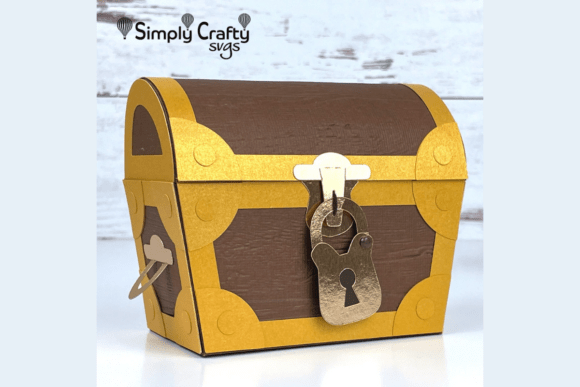
The first impression of the Treasure Chest Box is one of bold, geometric clarity. In its native vector format, the design relies on clean lines to define the lid, base, lock, and decorative bands. From an embroidery perspective, this is excellent news. Designs with muddy gradients or overly complex shading often fail when digitized, but this chest’s high-contrast structure suggests it will adapt beautifully to both satin stitch borders and fill stitch interiors. The visual personality is undeniably playful yet structured, making it ideal for projects that need to balance novelty with craftsmanship.
However, because this is primarily a paper craft file, you cannot simply import it and expect perfect stitches. You must treat it as a template for redigitizing or verifying an existing embroidery file. The "3D" aspect implies depth and shadow; in thread, this must be achieved through color blocking and stitch direction rather than digital opacity. As a reviewer, I look for designs where the separation of elements is clear. The Treasure Chest Box succeeds here, offering distinct zones for the wood grain, metal hardware, and jewels, which allows for varied thread colors and textures without the design becoming a dense, bulletproof patch of thread.
Real-World Application: The Custom Tote Bag Test
To truly evaluate this asset, I mentally placed it in a real-life production scenario: a custom canvas tote bag for a pirate-themed birthday party favor. This is a common request for small shop products and seasonal holiday embroidery. Canvas is a textured fabric, which can be unforgiving to fine details. If the Treasure Chest Box were used here, the bold outlines would serve as necessary registration marks, anchoring the design against the weave of the canvas.
In this specific case, I would recommend utilizing the chest as an applique design. Instead of filling the entire box with thousands of stitches, use the SVG lines as a cutting guide for fabric pieces, then secure them with a running stitch and finish the edges with a satin border. This reduces stitch density significantly, preserving the drape of the tote bag design and reducing production time. Customers appreciate handmade products that feel soft and flexible, not stiff and heavy. By adapting the Treasure Chest Box for appliqué, you elevate the perceived value of the finished product while maintaining the thematic integrity required for the client’s event.
Navigating Fabric Limitations and Hoop Constraints
While the design is versatile, there are specific environments where caution is required. The Treasure Chest Box features rigid horizontal and vertical lines. On stretchy fabrics like jersey knits used for sweatshirt embroidery or baby embroidery, these straight lines can distort if the stabilizer is inadequate. Stretch fabrics move; geometric designs do not. If you are applying this to a child’s onesie or a crewneck sweatshirt, you must use a high-quality cut-away stabilizer and potentially a topping to prevent the fabric from pulling away from the stitches.
Furthermore, consider your hoop size. The treasure chest has a wide aspect ratio. If you are working with a small 4x4 hoop, scaling the design down to fit may render the lock mechanism and wood plank details indistinguishable. Tiny lettering or intricate latch details often turn into thread blobs at smaller sizes. Always test the minimum viable size before committing to a production run. Conversely, on curved surfaces like caps, the flat bottom of the chest may appear warped. For headwear, you might need to modify the base line to follow the curve of the hat brim, ensuring the finished product looks intentional rather than distorted.
Commercial Viability and Brand Consistency
For those selling digital embroidery files or physical goods, the Treasure Chest Box offers strong commercial appeal due to its niche specificity. Pirate themes are evergreen in children’s markets and seasonal adult events. However, professionalism lies in execution. A jagged outline or misaligned color block destroys customer trust instantly. When using this design for commercial embroidery, ensure your digitizing maintains consistent stitch angles. The wood planks should have horizontal grain stitching, while the metal bands might benefit from vertical or diagonal fills to create visual contrast.
This attention to detail directly impacts buyer engagement. When listing items on Etsy or your own site, use printable mockups that accurately reflect how the embroidery sits on the garment. Do not rely solely on the digital rendering of the SVG. Show the actual stitched texture. This transparency builds confidence in your design assets and justifies premium pricing for custom apparel or boutique merchandise. Remember, customers are buying the tactile reality of the embroidery, not just the digital concept.
Essential Pre-Production Checklist for Makers
Before you load the Treasure Chest Box into your machine or list it in your shop, adhere to these practical designer notes:
- Verify Licensing: Since this is sold as a 3D SVG for paper crafts, confirm explicitly whether the license covers embroidery digitization and commercial sale of stitched goods. Never assume cross-medium rights.
- Test on Scrap Fabric: Always stitch out the design on the exact fabric type intended for the final project. Check for puckering, registration errors, and thread breaks.
- Audit Stitch Density: Ensure the design isn’t too dense for delicate fabrics or too sparse for heavy textiles. Adjust underlay stitches accordingly to provide proper foundation.
- Check Color Contrast: Test the design in black and white thread first. If the chest disappears without color, the definition relies too heavily on hue rather than value. Good embroidery reads well even in monochrome.
- Inspect Small Details: Zoom in on the digitized file. Are the corners mitered properly? Is the jump stitch path optimized? Clean up any unnecessary trims to improve production efficiency.
- Mockup Realistically: Create mockups that show the design on light and dark backgrounds. Some thread colors may need adjustment depending on the garment color to maintain visibility.
Final Thoughts on Design Adaptation
The Treasure Chest Box is a charming asset with genuine utility for embroidery professionals, provided it is treated with technical respect. Its success as an embroidered patch, nursery decor accent, or party favor depends entirely on the maker's willingness to adapt a paper-craft aesthetic for textile realities. By focusing on structural integrity, appropriate stabilization, and thoughtful digitizing, you can transform this playful graphic into a high-value handmade product that delights clients and withstands the rigors of real-world use. Whether you are creating a one-off personalized gift or scaling up for a holiday season rush, let practical judgment guide your needle.