3D SVG Review: Multi Layer Christmas Gift Card
Evaluating Festive Depth for Artisan Bakery Branding
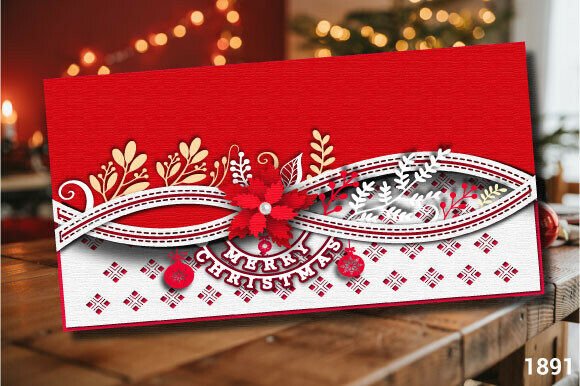
As a brand designer specializing in local businesses, I approach every new graphic design asset with a critical eye toward commercial viability. When evaluating the Multi Layer Christmas Gift Card SVG 1891, my immediate focus was not just on its aesthetic appeal, but on its functional application for real-world small business branding. This is an extraordinary Christmas greeting card SVG file that offers significant structural potential. It contains a seven-layered greeting card design, which immediately signals a premium, tactile quality often missing from flat digital assets. For a recent project involving a local artisan bakery and coffee roaster, this specific 3D SVG presented a unique opportunity to elevate their seasonal packaging beyond standard printed graphics.
The mood created by this asset is distinctly warm, handcrafted, and nostalgic. It does not feel like mass-produced clipart; rather, it suggests a brand personality that values tradition, attention to detail, and physical connection. For handmade sellers, boutique owners, and food businesses, this style bridges the gap between digital convenience and organic authenticity. The layered nature of the design implies depth and care, making it particularly suitable for brands that want to communicate a sense of luxury through craftsmanship rather than minimalism. In the context of our bakery client, the design aligned perfectly with their rustic-modern identity, suggesting that their holiday treats are made with the same multi-dimensional care as the packaging itself.
Strategic Applications for Packaging and Product Presentation
In professional branding, versatility is key. The Multi Layer Christmas Gift Card SVG 1891 serves as more than just a greeting card template; it is a comprehensive visual system for seasonal campaigns. During our design sprint, we identified several high-impact applications for this asset across both physical and digital touchpoints. For product packaging, the seven-layer structure translates beautifully into laser-cut box sleeves or intricate hang tags for gift sets. We utilized the vector paths to create custom window cutouts on pastry boxes, allowing the product inside to become part of the visual hierarchy. This transforms standard packaging design into an interactive unboxing experience that drives social media sharing.
Beyond physical goods, this asset proved invaluable for marketing visuals and editorial design. We adapted the central motif for social media graphics, using the layers to create parallax animations in Instagram Reels and TikTok content. For the bakery’s email newsletter and website banners, the SVG provided a scalable hero graphic that maintained crisp edges at any resolution. It also functioned effectively as a decorative border for printable menus and price lists, framing essential information without overwhelming the text. For creative entrepreneurs and marketers, this level of adaptability means a single purchase can unify your entire seasonal campaign, from the product label to the digital ad, ensuring consistent brand identity across all customer touchpoints.
Enhancing Shelf Appeal and Customer Trust Through Design
The primary value of integrating a complex asset like this into your commercial design workflow is the enhancement of perceived value. In a crowded local market, stronger shelf appeal directly correlates to sales. The intricate detailing of the Multi Layer Christmas Gift Card SVG 1891 acts as a visual shorthand for quality. When customers see detailed, layered artwork on a product label or thank-you card, they subconsciously attribute that level of precision to the product inside. This builds improved customer trust and justifies premium pricing for handmade or artisanal goods.
Furthermore, this asset supports better product recognition. By establishing a distinct seasonal visual signature, local businesses can differentiate themselves from big-box competitors who rely on generic holiday imagery. The emotional connection fostered by this specific style—evocative of traditional paper crafting and personal gifting—resonates deeply with consumers seeking authentic experiences. For a skincare brand or candle maker, using this design on packaging accents or insert cards reinforces a narrative of self-care and thoughtful gifting. It turns a simple transaction into a memorable brand interaction, which is the cornerstone of successful small business branding and long-term customer loyalty.
Navigating Visual Hierarchy and Brand Compatibility
While the Multi Layer Christmas Gift Card SVG 1891 is a powerful tool, it requires strategic placement to be effective. As a designer, I must emphasize where this asset works best and where caution is necessary. It excels as a hero graphic, a focal point on gift packaging, or a standalone decorative element on boutique visuals. Its complexity demands negative space to breathe; therefore, it is ideal for clean backgrounds where the layering can be fully appreciated.
However, this asset should be used carefully in areas requiring high information density. Avoid placing it behind ingredient lists, legal disclaimers, or dense body copy, as the intricate lines will reduce readability and violate accessibility standards. It is also less suitable for ultra-minimalist luxury brands or formal corporate identities where such ornamentation might clash with established sleek aesthetics. Additionally, when designing very small labels or stickers, the fine details of the seven-layer construction may get lost or cause production issues during printing or cutting. Always prioritize clarity over decoration in functional design areas. The goal is to enhance the message, not compete with it.
Technical Pre-Press Checklist for Commercial Use
Before deploying this or any design asset for client work, rigorous testing is non-negotiable. My review process for the Multi Layer Christmas Gift Card SVG 1891 included several practical checks that every creative entrepreneur should perform. First, always test the file on real product mockups before finalizing production. What looks good on a screen may not translate to textured paper or fabric. Check the SVG editability; ensure you can separate layers, adjust colors to match your specific brand palette, and resize elements without distortion. Verify PNG transparency if you plan to use it in Canva templates or web design overlays.
Typography pairing is another critical consideration. Test the asset beside various font styles. We found it paired exceptionally well with classic serif fonts and organic handwritten scripts, but clashed with geometric sans-serifs. Ensure the visual weight of the type balances the intricacy of the illustration. Crucially, confirm the commercial license before using the asset for business branding or physical product sales. Understanding your rights protects your business from legal issues and ensures ethical usage. Finally, inspect print quality at actual size. If you are using this for laser cutting, verify that the cut lines are continuous and optimized for your specific machine. These technical validations transform a beautiful digital product into a reliable, professional branding tool that delivers tangible results for local businesses.