Multi Layer Christmas Village SVG 1883 Review
First Impressions: Translating Paper Depth to Thread
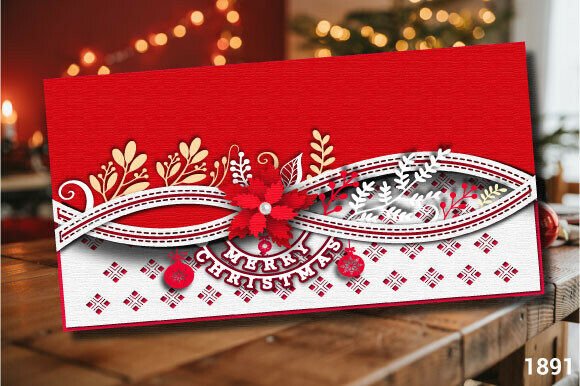
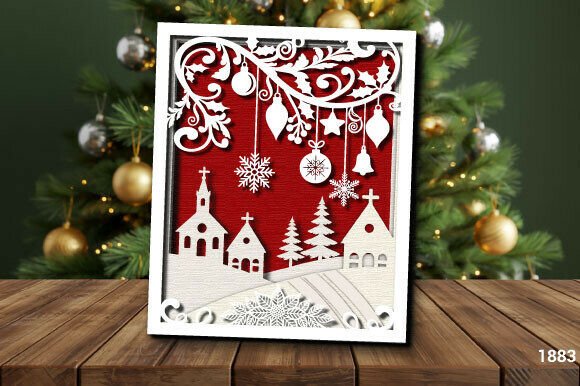
When I first opened the Multi Layer Christmas Village SVG 1883, my immediate reaction was appreciation for its architectural complexity. As a designer who frequently bridges the gap between digital assets and tangible textiles, I look for more than just pretty lines; I look for structural integrity. This file is marketed as a 6-layered greeting card design for laser cutting, but for us in the embroidery world, those layers represent something different: depth, shadow, and dimension. The mood is undeniably nostalgic, evoking a quiet, snowy evening in a storybook town. However, translating a 3D SVG intended for paper stacking into a flat or semi-flat textile surface requires a critical eye.
The visual personality of this design is intricate. It relies heavily on negative space and overlapping elements to create that village scene. For an embroidery project, this is both a blessing and a challenge. The layering suggests natural separation points where we can utilize color changes or texture variations to mimic the original 3D effect without actually stacking fabric. It feels like a premium asset, one that belongs on high-value items rather than quick craft fair fillers. If you are an Etsy seller or boutique owner, this design signals quality, but only if executed with precision.
Real-World Application: The Holiday Tote Bag Test
To truly evaluate this machine embroidery design, I mentally placed it onto a canvas tote bag intended for holiday market sales. A tote bag offers a stable, woven base that mimics the rigidity of cardstock, making it an ideal candidate for adapting a layered SVG. In this scenario, I envisioned using the six layers not as physical stacks, but as distinct zones for different stitch types.
For the background layer (the sky or distant hills), a light fill stitch would establish the canvas. The middle architectural layers could be rendered in a denser satin stitch to create raised borders that catch the light, simulating the shadows of a laser-cut edge. The foreground details—perhaps a fence or snowdrifts—would benefit from a crisp running stitch or a textured motif stitch to add tactile interest. This approach transforms the Multi Layer Christmas Village SVG 1883 from a simple graphic into a rich, multi-sensory experience. Customers at a craft fair don't just buy a picture; they buy the craftsmanship. When they run their fingers over the varied stitch textures derived from these layers, the perceived value of the handmade product increases significantly.
This adaptation also works beautifully for sweatshirt embroidery. On fleece, the "layers" help break up large blocks of stitching that might otherwise feel heavy or bulletproof. By respecting the original separation lines in the SVG, you allow the garment's texture to breathe between design elements, maintaining the comfort of the apparel while showcasing a detailed holiday scene.
Navigating Technical Constraints and Fabric Choices
While the design is extraordinary, practical judgment dictates caution in specific applications. Because Multi Layer Christmas Village SVG 1883 originates from a 6-layer paper concept, the detail level is likely high. This makes it risky for small hoop sizes. Shrinking a complex village scene down to a 4x4 hoop often results in lost definition and thread breaks. I strongly advise keeping this design at medium to large scales to preserve the integrity of the architectural lines.
Fabric choice is equally critical. Avoid stretchy knits or highly textured fabrics like terry cloth unless you are an advanced digitizer capable of modifying the file. The precise alignment required to make "layers" read correctly on fabric will be lost if the material shifts during stitching. Woven cottons, linens, denim, and felt are your safest bets. For baby embroidery or delicate garments, consider whether the density required to render six distinct visual layers is appropriate. Heavy stitching on thin fabric can cause puckering or tearing. In those cases, this design might be better suited as an applique design where fabric pieces replace dense stitching, reducing the overall stitch count while maintaining the layered aesthetic.
Be mindful of dark fabrics. A design optimized for laser cutting usually assumes a white or neutral background. If you plan to stitch this on navy or forest green velvet for a luxury personalized gift, you must test contrast first. Fine internal details that rely on shadow in a paper model may disappear entirely in thread on a dark background. You may need to add underlay or adjust thread colors to ensure the village pops against the fabric.
Elevating Brand Value and Customer Trust
Using a sophisticated asset like Multi Layer Christmas Village SVG 1883 communicates professionalism. In the crowded market of holiday embroidery, generic snowmen and reindeer are everywhere. A structured, architectural village scene stands out as curated and intentional. For commercial embroidery businesses, this distinction matters. It shows potential clients that you understand composition and aren't just running stock files without thought.
This design also enhances printable mockup quality. Because the artwork has inherent depth, digital previews look more realistic and engaging. When listing a finished product online, clear photos showing the texture of the stitches against the clean lines of the village design build buyer confidence. It demonstrates that the digital embroidery file was translated with care. Whether you are selling the physical item or the digitized version itself, the complexity of this 3D SVG serves as a portfolio piece that validates your expertise.
Essential Designer Notes Before Stitching
Before you commit this design to a final product, adhere to these practical checkpoints:
- Verify Licensing: The description mentions use for clothing and invitations, but always confirm the specific commercial license terms regarding selling finished goods versus digital files.
- Test on Scrap: Never stitch this directly on a final product first. Use a scrap of your exact project fabric and stabilizer combination to check registration between the "layers."
- Check Stitch Density: Since this is an SVG and not a native embroidery format, ensure your digitizing software hasn't auto-filled areas too densely. Adjust density based on fabric weight.
- Stabilizer Strategy: For a multi-layer look, use a firm cut-away stabilizer to prevent distortion. Consider a water-soluble topper if stitching on textured fabric to keep details sharp.
- Color Planning: Map out your thread colors before hooping. Decide if you want to match the original paper colors or adapt them to your brand palette. Contrast is key for defining layers.
- Mockup Validation: Create black and white mockups to see if the design holds up without color reliance. If it looks muddy in grayscale, it needs more contrast in thread selection.
Multi Layer Christmas Village SVG 1883 is a remarkable asset for the creative entrepreneur willing to put in the technical effort. It bridges the gap between paper crafting aesthetics and textile art, offering a unique opportunity to create standout custom apparel and home decor. By treating the layers as a guide for texture and dimension rather than literal instructions, you can produce work that feels both traditional and innovatively crafted. Respect the complexity, test thoroughly, and let this village become a cornerstone of your holiday collection.