Bumble Bee Lantern SVG: A Designer's Embroidery Review
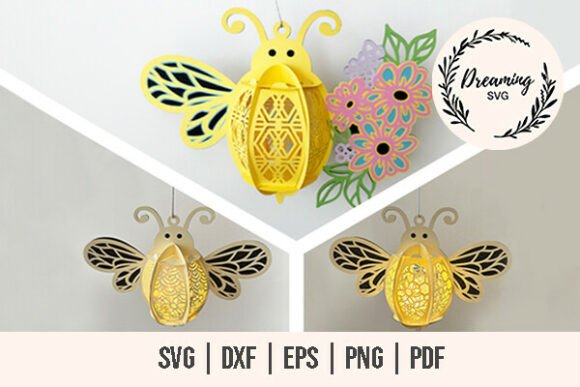
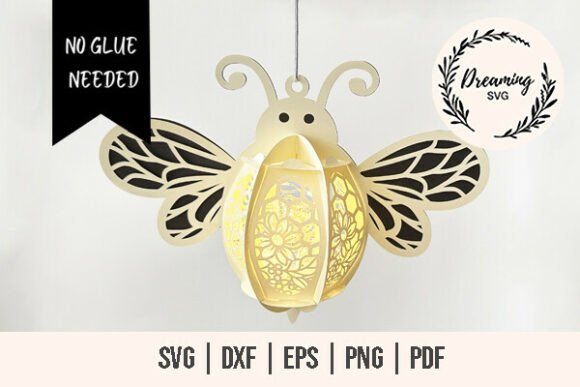
As a professional embroidery designer and product reviewer, I approach every new digital asset with a critical eye. It is not enough for a file to simply look charming on a screen; it must translate into clean stitches, structural integrity, and commercial viability. When evaluating the Bumble Bee Lantern SVG - Bee Lantern SVG, my primary focus is how this specific 3D SVG concept transitions from a vector shape category into a tangible, high-quality embroidered piece. This design carries a distinct whimsical mood, blending the organic softness of a bumblebee with the structured geometry of a lantern. For makers and shop owners, understanding this balance is key to selecting the right projects and avoiding costly production errors.
First Impressions and Visual Personality
Upon opening the zip folder containing the SVG, PNG, DXF, EPS, and PDF files, the immediate strength of this design is its silhouette. As a 3D SVG, it implies depth and layering that flat vectors often lack. In an embroidery context, this suggests opportunities for dimensional stitching or applique techniques rather than simple flat fills. The visual personality strikes a balance between cottagecore nostalgia and modern nursery aesthetics. It does not feel overly juvenile, which expands its marketability beyond baby items to include adult apparel and home decor. However, because it falls under the Shapes category, the success of the final embroidered patch or garment decoration relies entirely on how the digitizer interprets those vector lines into stitch paths. The charm lies in the interplay between the bee’s curves and the lantern’s rigid lines, creating a focal point that draws the eye without overwhelming the fabric.
Real-World Application: Stitching a Custom Tote Bag
To truly evaluate this machine embroidery design, I mentally mapped it onto a real-life scenario: creating a premium canvas tote bag for a spring craft fair. Tote bags are excellent test subjects because they offer a stable, medium-weight fabric texture that holds detail well but reveals poor tension or density issues immediately. For this project, I envision using the Bumble Bee Lantern SVG as a centerpiece applique design. The lantern body could be constructed from a textured linen or gingham cotton, secured with a tight satin stitch border, while the bumblebee element utilizes fill stitch with variegated thread to mimic natural coloring.
In this application, the 3D nature of the source file guides the layering process. Instead of printing the design directly, the vector lines serve as precise placement guides for fabric pieces. This adds perceived value to the finished product. Customers at a boutique or Etsy shop are more likely to purchase a handmade product that shows tactile depth over one that looks like a generic print. The lantern shape provides a solid anchor on the bag, preventing the design from looking lost on the large canvas surface. Furthermore, the included PNG file allows for the creation of accurate printable mockups, enabling sellers to list the custom apparel or tote bag design before committing to physical sampling.
Navigating Fabric Limitations and Hoop Constraints
While the Bumble Bee Lantern SVG offers versatility, it demands respect for technical limitations. Not every fabric is suitable for this level of detail. I would advise against using this design on highly stretchy knits or sheer fabrics without significant modification and heavy stabilizer. The contrast between the dense satin stitch outlines and the lighter fill areas can cause puckering on unstable materials. If you are planning sweatshirt embroidery, ensure you use a cut-away stabilizer and potentially a topping to prevent the stitches from sinking into the fleece texture.
Hoop size is another critical consideration. Because this is a complex shape with potential 3D elements, resizing must be done cautiously. While SVG and DXF files are vector-based and infinitely scalable on screen, embroidery machines have physical limits. Scaling the design down too small may result in tiny lettering or intricate corners turning into a thread nest. Conversely, scaling it up significantly increases stitch count and density, which might distort lightweight fabrics. Always confirm your specific hoop size capabilities and re-digitize or adjust stitch density if pushing the boundaries of the original file dimensions. For curved surfaces like caps, this design may require flattening or simplification to accommodate the cylindrical shape without registration errors.
Commercial Viability for Etsy Sellers and Small Shops
For creative entrepreneurs and Etsy sellers, time is money. The Bumble Bee Lantern SVG serves as a strong foundation for multiple revenue streams. Beyond physical goods, the clean vector lines make it ideal for digital product sellers offering sublimation transfers or vinyl decals alongside embroidery files. The inclusion of multiple formats ensures compatibility across different cutting machines and embroidery software, reducing customer support inquiries regarding file conversion.
From a branding perspective, this design supports a cohesive aesthetic. If your small shop product line focuses on garden themes, apiary motifs, or vintage lighting, this lantern acts as a recognizable brand asset. Consistency builds customer trust. When buyers see professional, well-executed designs across your listings, they perceive higher value. However, always verify licensing terms before selling finished items or digital assets. Confirm whether the license permits commercial embroidery, as this dictates whether you can sell the personalized gift or keep it for personal use. Professionalism extends to legal compliance, protecting your business long-term.
Essential Pre-Stitch Checklist for Makers
Before loading this embroidery file into your machine for a client project or inventory batch, run through this practical checklist to ensure professional results:
- Test on Scrap Fabric: Never stitch directly on a final product without testing. Use a scrap of the exact fabric and stabilizer combination intended for the project to check for puckering or gaps.
- Evaluate Thread Color Contrast: Test the design in black and white mockups first. If the bee and lantern blend together in grayscale, they will lack definition in thread. Ensure sufficient contrast between the outline and fill colors.
- Inspect Small Details: Zoom in on the vector file. Are there tiny gaps or overlapping nodes that might cause needle breaks? Clean up any vector artifacts before digitizing or stitching.
- Check Stabilizer Compatibility: Match the stabilizer weight to the fabric texture. A tear-away might suffice for denim, but a fusible poly-mesh is safer for baby embroidery on knit fabrics.
- Verify Washability: If creating kitchen towels or baby clothes, test wash the sample. Ensure the satin stitch borders hold up and the applique fabric does not fray excessively after laundering.
- Review Stitch Density: High-density areas can make garments stiff. Adjust density settings if the design feels too rigid for wearable custom apparel.
Final Thoughts on Design Integrity
The Bumble Bee Lantern SVG - Bee Lantern SVG represents a thoughtful intersection of digital artistry and functional craft. Its strength lies in its adaptability; it can be a delicate accent on a baby bib or a bold statement on a holiday embroidery project. Success with this design comes not from the file itself, but from the maker’s understanding of how to interpret vector shapes into thread. By respecting fabric limitations, testing rigorously, and leveraging the multi-format inclusion for diverse product lines, embroiderers can transform this digital asset into profitable, beautiful finished products. Whether you are a hobbyist exploring new techniques or a commercial embroidery business expanding your catalog, approaching this design with technical mindfulness will yield results that satisfy both the creator and the customer.