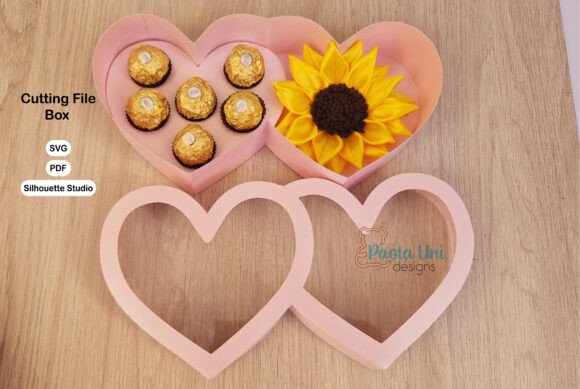
Candy Holder 3D SVG: Editorial Shapes for Publishers
As a digital publisher and blog designer, I constantly evaluate graphic design assets not just for their aesthetic appeal, but for their functional utility in a real content workflow. When reviewing the Candy Holder asset, my first impression is that it bridges the gap between playful craft content and professional editorial design. This is not merely a flat vector; it is a structured 3D SVG that introduces depth and tangibility to digital layouts. For publishers in the lifestyle, parenting, DIY, or seasonal niches, this asset immediately signals a hands-on, interactive experience rather than passive reading.
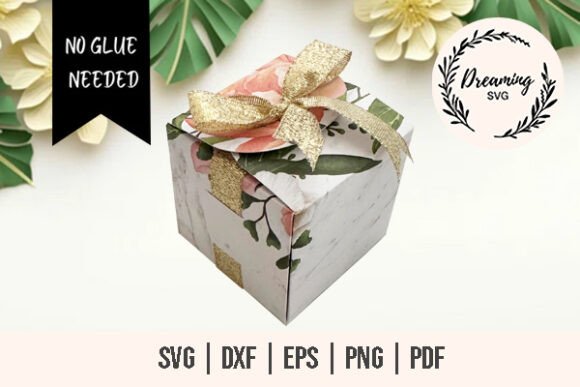
The visual mood created by this Candy Holder is distinctly feminine yet organized. It avoids the chaotic clutter often associated with craft graphics, offering instead a clean, modern silhouette that works exceptionally well for website headers and featured images. In an editorial context, it feels like a premium digital product showcase. The inclusion of specific construction details—referencing cardboard, liquid silicone, and acetate materials—suggests that the resulting visuals will have texture and realism. This level of detail builds reader trust because it promises a tangible outcome, which is crucial for content marketing strategies focused on tutorials and affiliate reviews.
Strategic Applications in Digital Publishing Workflows
In my daily publishing workflow, versatility is non-negotiable. This Candy Holder asset serves multiple strategic functions across different platforms. As a Pinterest pin, the three-dimensional nature of the shapes naturally arrests the scroll. Pinterest users are visually driven, and a 3D representation of a gift box outperforms flat clip art because it mimics photography. For blog posts, I utilize this asset as a recurring visual motif. It works beautifully as a category thumbnail for "Gift Guides" or "Party Planning," creating immediate visual hierarchy and brand recognition without relying solely on text.
Beyond standard blog graphics, this asset is a powerhouse for lead magnets and digital guides. Imagine creating a downloadable PDF checklist for holiday party prep; using this Candy Holder as the cover graphic elevates the perceived value of the freebie. It transforms a simple document into a polished resource. For affiliate marketing, this asset provides a neutral yet attractive container to highlight product recommendations. Instead of using generic stock photos, you can integrate this custom design into Canva templates to create consistent social media graphics that align perfectly with your site’s brand identity.
The bilingual aspect of the source instructions (English and Spanish) also opens doors for inclusive web design. Publishers targeting multilingual audiences can leverage this asset to signal accessibility and cultural relevance in their printable design offerings. Whether used in a newsletter header to announce a new tutorial or as a watermark on proprietary content, the asset maintains its integrity across various sizes and contexts.
Enhancing Reader Trust Through Visual Professionalism
Visual communication directly impacts bounce rates and time-on-page. A polished creative design tells the reader that the content within is equally curated. The Candy Holder supports content performance by establishing a stronger first impression. When a user lands on a post featuring this high-quality 3D render, they subconsciously associate the site with professionalism. This is particularly important for small business branding where budget constraints might otherwise limit access to custom illustration.
Furthermore, consistent use of specific Shapes creates a cohesive visual language. If your audience associates this specific candy box style with your high-value tutorials, seeing it in a social media preview triggers instant recognition. This consistency improves click-through potential because the audience knows exactly what type of quality to expect. The asset also aids in breaking up text-heavy articles. In long-form editorial content, placing a rendered version of the Candy Holder beside step-by-step instructions provides necessary visual relief and reinforces the learning process, making complex assembly instructions feel more approachable.
Optimal Placement and Contextual Awareness
While versatile, this asset performs best in specific environments. It shines as a hero image for landing pages dedicated to crafts, gifts, or celebrations. It is ideal for digital download product mockups, allowing you to showcase the file before purchase. Editorial accents, such as pull quotes or sidebar widgets, benefit from the whimsical yet structured geometry of the box. Newsletter headers featuring this asset tend to see higher engagement because they break the monotony of standard email layouts.
However, publishers must exercise caution. This Candy Holder is inherently decorative and playful. It should be used carefully in serious professional niches, corporate B2B content, or minimalist luxury branding where ornamentation distracts from the message. Avoid using it as a small mobile thumbnail; the intricate 3D details may become muddy at low resolutions. Similarly, do not place it against busy backgrounds or low-contrast colors. The asset requires negative space to breathe. If your layout is already text-heavy, adding a complex 3D shape can create cognitive overload. Always prioritize readability and ensure the asset supports, rather than competes with, your headline copy.
Technical Publisher Notes for Web Performance
Before integrating this Candy Holder into a live production environment, rigorous testing is required. As an experienced designer, I recommend the following technical checks to ensure optimal performance and legal compliance:
- Cross-Device Testing: Preview the asset on both desktop and mobile screens. Ensure the 3D perspective reads clearly on narrow viewports and does not get cropped awkwardly in responsive containers.
- Typography Pairing: Test the graphic beside various font families. It pairs exceptionally well with rounded sans-serif fonts for a modern look or elegant scripts for a festive vibe. Avoid heavy display fonts that compete with the box's structural lines.
- Contrast Checks: Verify accessibility standards. Ensure sufficient contrast between the asset and background color, especially if text overlays are applied. Try converting the image to black and white to confirm the values hold up without color reliance.
- File Optimization: 3D renders can be heavy. Always compress images properly for web performance to maintain fast load times. Consider serving WebP formats alongside traditional PNGs.
- Licensing Verification: Confirm the commercial license terms before using the asset on monetized websites, affiliate pages, or paid digital products. Understanding whether you can use the asset in end-products for sale versus personal blog decoration is critical for risk management.
- Ungrouping Capabilities: Since the source files require ungrouping in your program, test this workflow immediately. Ensure your software handles the layers correctly so you can customize colors or isolate specific parts of the box for unique editorial layouts.
By treating this Candy Holder as a strategic publishing tool rather than just a decorative element, creators can significantly elevate their visual hierarchy and brand authority. The combination of technical precision (SVG/EPS compatibility) and editorial charm makes it a valuable addition to any creative marketplace toolkit. Whether you are designing a website header, crafting a lead magnet, or refining your affiliate marketing visuals, this asset offers the polish and flexibility needed to succeed in today’s competitive digital landscape. Remember that successful web design is about intention; use this asset to guide your reader’s eye, reinforce your content’s value, and create a memorable browsing experience that converts casual visitors into loyal subscribers.