Village Trees 3D SVG: Floral Style Blog Graphics
As a digital publisher and blog designer, I constantly evaluate graphic design assets not just for their aesthetic appeal, but for their utility in a real content marketing workflow. When I first opened the Village Trees file, my immediate assessment was that this asset bridges the gap between traditional crafting and modern editorial design. While categorized under Flowers due to its organic, botanical nature, this 3D SVG set offers something distinct from standard floral vectors. It provides architectural structure through foliage.
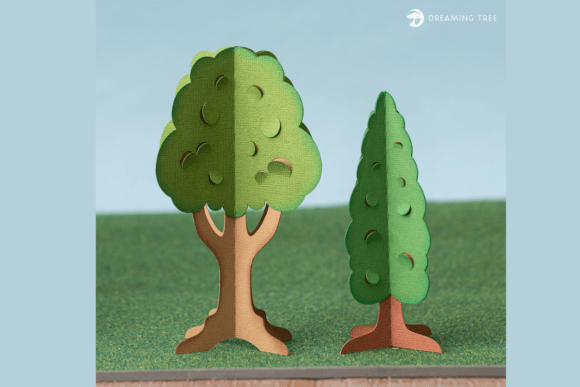
The initial impression is one of curated nostalgia mixed with clean, modern vector precision. The set features two primary designs: a classic rounded canopy tree and a tall conifer shape. Unlike flat illustrations, these layered files are engineered to create depth. For a content creator, this depth is crucial. It signals to the reader that the website pays attention to detail. In niches like cottagecore living, sustainable gardening, seasonal lifestyle blogging, or artisanal product reviews, this asset establishes an immediate mood of warmth and tactile quality. It feels handcrafted yet professional, avoiding the sterile look of generic stock vectors while maintaining the crispness required for high-resolution web display.
Deploying Village Trees Across Editorial Touchpoints
In my publishing workflow, versatility is the primary metric for acquiring new design assets. Village Trees performs exceptionally well across multiple digital formats because the layered SVG structure allows for non-destructive editing. When designing blog graphics or featured images, I can separate the canopy from the trunk to wrap text dynamically around the foliage, creating a more integrated visual hierarchy than simply placing a logo over a flat background.
For Pinterest pin creation, vertical space is premium real estate. The tall conifer design serves as an excellent framing device for long-form pins. I have found that using this tree as a border element guides the eye downward toward the headline and call-to-action, potentially improving click-through rates. Similarly, when designing newsletter headers or email banners, the rounded canopy variant adds softness to rigid grid layouts without overwhelming the subject line. It acts as a visual anchor that reinforces brand identity for publishers focusing on nature, wellness, or creative hobbies.
Beyond standard web imagery, this asset shines in digital product creation. If you are developing a lead magnet, such as a seasonal planning checklist or a gardening guide, Village Trees adds perceived value to the PDF. It transforms a simple document into a branded experience. For those utilizing Canva templates to sell or share resources, importing this SVG allows for scalable customization that raster images cannot match. Whether used on an eBook cover, a worksheet header, or a social media carousel slide, the asset maintains sharp edges at any size, ensuring your content marketing materials look polished on both retina displays and printed handouts.
Strategic Placement for Maximum Reader Engagement
Understanding where to place a graphic design asset is as important as the asset itself. Village Trees works best when it supports the narrative rather than competing with it. I recommend utilizing these trees in hero sections where whitespace is abundant. The 3D layering effect requires breathing room to be appreciated; cramming it into a sidebar widget often diminishes its impact. It is particularly effective as a recurring motif for category thumbnails, helping users visually distinguish between different content pillars like "Garden," "DIY," or "Seasonal Recipes."
However, publishers must exercise restraint. This asset should be used carefully in highly corporate or minimalist tech environments where organic textures might clash with the brand's serious tone. Additionally, avoid using the full-color, multi-layered version in small mobile navigation menus or footer icons. At reduced sizes, the intricate layers can blur together, creating visual noise rather than clarity. In text-heavy article bodies, ensure the tree does not disrupt reading flow; use it as a section break or a pull-quote accent rather than inline decoration. Always test contrast against your specific background colors. Because the trees rely on shadow layers for their 3D effect, placing them on busy photographic backgrounds can reduce legibility and visual impact.
Publisher Notes: Technical Optimization and Licensing
Before integrating Village Trees into a live production environment, I run through a specific technical checklist to ensure performance and compliance. First, always preview the asset within your actual website header and blog post template. What looks good in isolation may need scaling adjustments when surrounded by navigation bars and sidebars. Test the graphic on both desktop and mobile viewports to ensure the 3D shadows render correctly and do not get cropped awkwardly.
Typography pairing is another critical consideration. I tested Village Trees alongside various font families to gauge editorial cohesion. It pairs beautifully with elegant serif fonts for a traditional, storybook aesthetic, and surprisingly well with bold sans-serif typefaces for a contemporary, eclectic vibe. Avoid overly decorative script fonts that mimic the organic curves of the tree, as this can create visual redundancy. Instead, let the clean lines of the SVG complement simpler typography.
Web performance cannot be overlooked. Although SVGs are generally lightweight, complex layered files with embedded filters can bloat. Before uploading, I recommend running the file through an SVG optimizer to remove unnecessary metadata and simplify paths without sacrificing visual fidelity. This ensures your web design remains fast, which is vital for SEO and user retention. Finally, verify the commercial license terms. If you are an affiliate marketer or selling printable design products, confirm that the license covers monetized use. Proper licensing protects your business and respects the original creator, ensuring your small business branding is built on ethical foundations.
Elevating Content Value Through Intentional Design
Ultimately, Village Trees is more than just a decorative element; it is a strategic tool for creative design in digital publishing. By adding lush greenery and dimensional interest to your projects, you signal to your audience that your content is thoughtfully produced. In an era of AI-generated saturation, intentional, layered modern design stands out. Whether you are crafting a digital download for subscribers or refreshing your site’s seasonal aesthetic, this asset provides the professional polish necessary to build reader trust.
For bloggers and entrepreneurs browsing a creative marketplace, finding assets that serve dual purposes—beautifying the site while enhancing usability—is rare. Village Trees succeeds because it respects the fundamentals of layout and composition. It invites the viewer to linger, transforming a standard webpage into an immersive editorial experience. When used with intention, tested rigorously, and optimized correctly, it becomes a cornerstone of a cohesive visual strategy that supports long-term content growth and audience connection.